Coccydynia Treatment in NJ & NY
You fell on the ice last winter and now every chair is your enemy. Sitting through a meeting, a dinner, or a movie demands constant shifting and quiet desperation. Metro Pain Centers treats coccydynia with targeted injections that reach the exact pain source at the base of your spine so sitting stops being an endurance test.
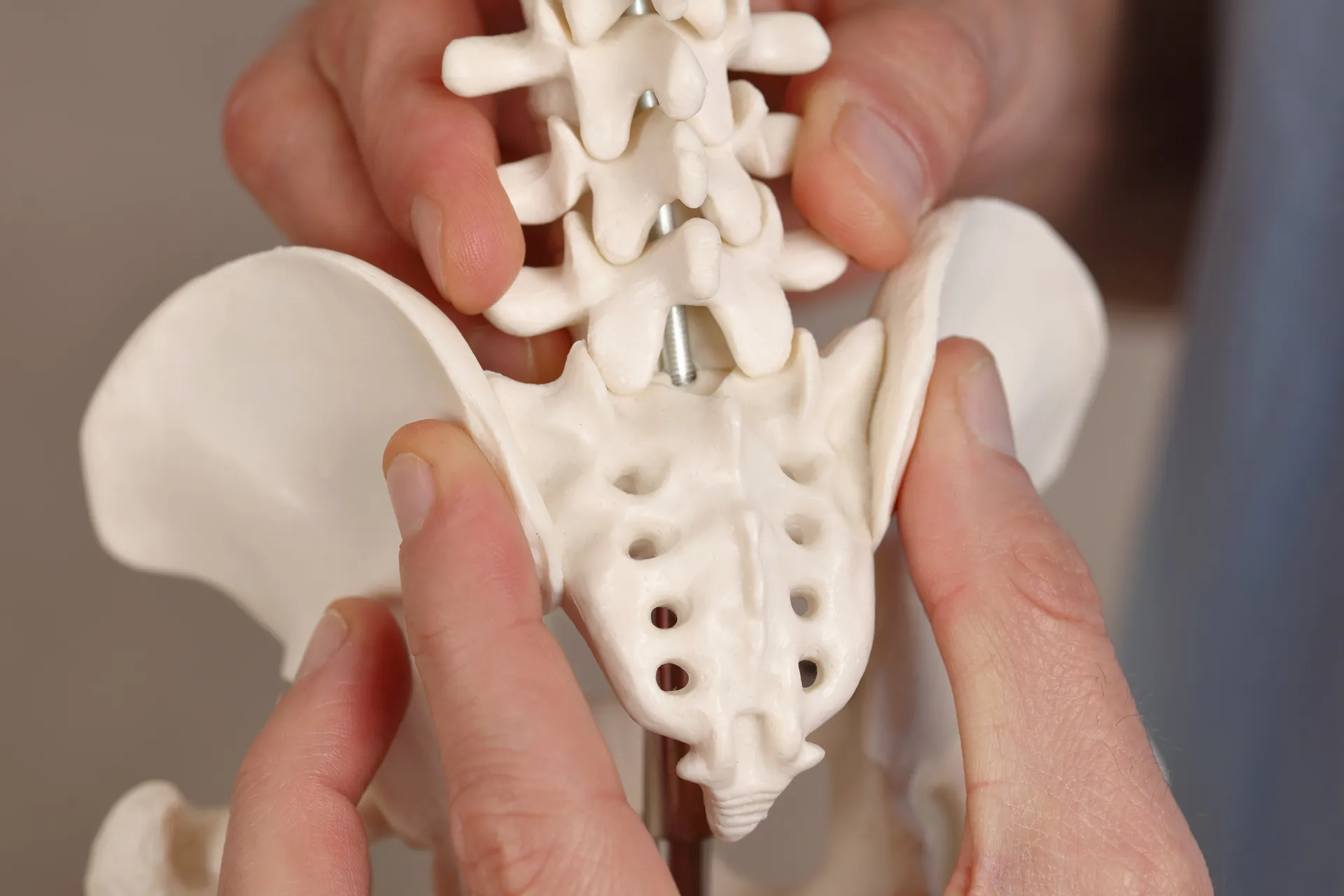
Understanding Coccydynia at Metro Pain Centers
Coccydynia is persistent pain localized to the coccyx, the small triangular bone at the base of the vertebral column composed of three to five fused vertebral segments, typically provoked by sitting on hard surfaces or transitioning from sitting to standing, and it disproportionately affects women due to the wider female pelvis and greater coccygeal exposure during seated posture.
Ganglion impar block, the injection of local anesthetic at the ganglion impar, a solitary retroperitoneal structure located at the sacrococcygeal junction that serves as the terminal convergence point of the bilateral sympathetic chains, is the most specific interventional treatment for coccydynia. Metro Pain Centers performs ganglion impar blocks under fluoroscopic guidance to disrupt the sympathetic pain signals that sustain chronic tailbone pain.
The coccyx serves as an attachment point for pelvic floor muscles, the gluteus maximus, and the sacrococcygeal ligament. Injury to any of these structures can produce coccydynia, but the pain is often attributed to a single structure when multiple are involved.
Metro Pain Centers evaluates coccydynia as a multi-source condition. Our physicians assess the coccyx itself, the sacrococcygeal joint, the surrounding ligaments, and the pelvic floor musculature to identify every contributing pain generator.
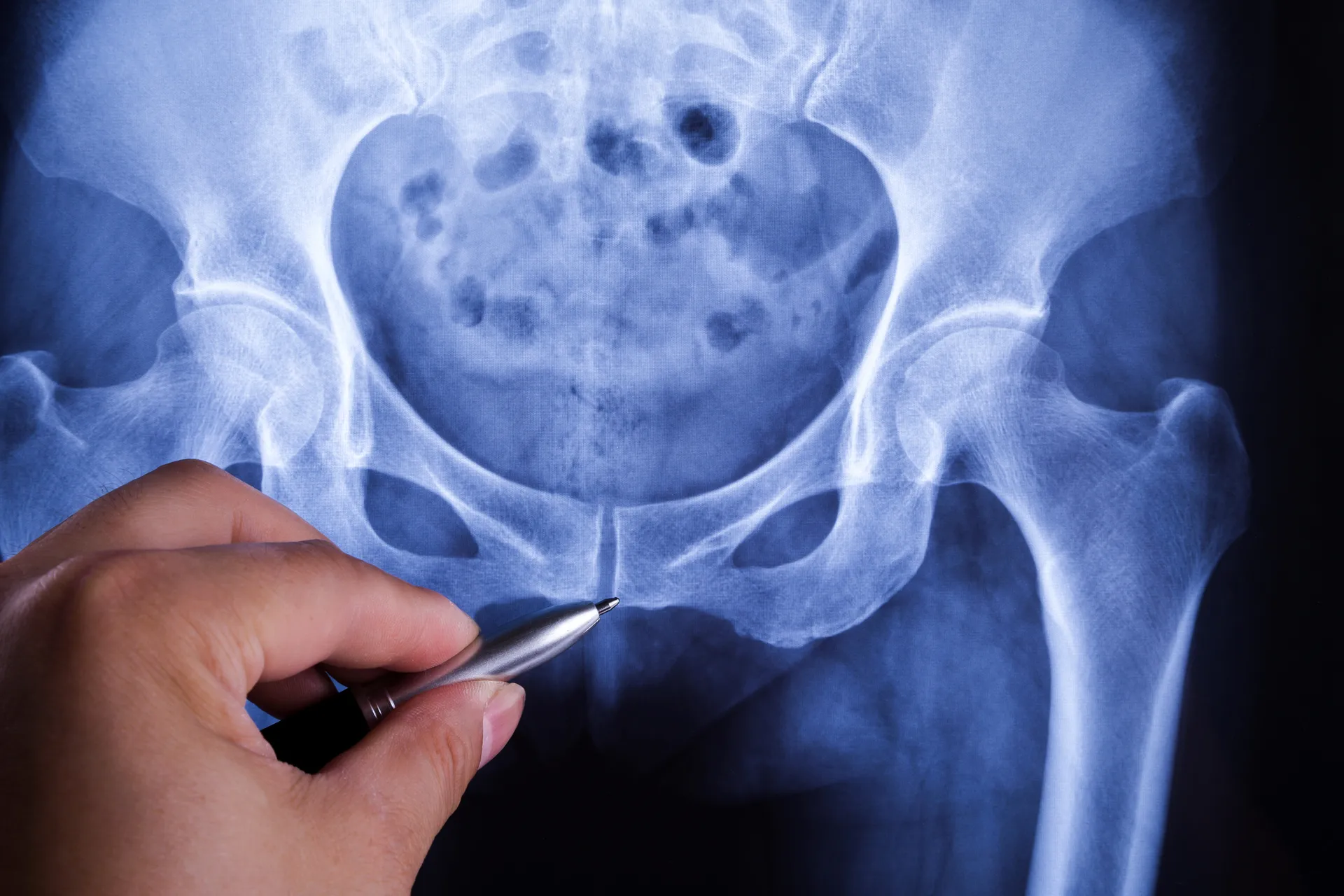
Understanding Your Condition
Our board-certified physicians use advanced diagnostic techniques to accurately identify the source of your pain, ensuring you receive the most effective treatment.
Symptoms of Coccydynia
Sharp, localized pain at the tailbone that intensifies with sitting, especially on hard or narrow surfaces, is the defining symptom. Metro Pain Centers differentiates coccygeal pain from sacroiliac, rectal, or pelvic floor dysfunction through targeted examination.
Pain that increases during the transition from sitting to standing indicates irritation at the sacrococcygeal joint or the coccygeal attachment of the gluteus maximus. Our physicians test this movement pattern during the physical examination.
Aching pain that worsens with prolonged sitting and eases after standing for several minutes suggests inflammatory or degenerative coccygeal pathology. Metro Pain Centers evaluates the duration pattern to distinguish acute from chronic coccydynia.
Pain during bowel movements or sexual activity can accompany coccydynia when the pelvic floor muscles attached to the coccyx are involved. Our specialists assess these sensitive symptoms in a private, clinical context to ensure comprehensive evaluation.
What Causes Coccydynia
Direct trauma from falls onto the tailbone is the most common cause Metro Pain Centers identifies. The impact bruises, fractures, or dislocates the coccyx. Even when the bone heals, chronic pain may persist from ligament damage or altered coccygeal mobility.
Childbirth can injure the coccyx as the baby passes through the birth canal. The pressure stretches or tears the sacrococcygeal ligaments and may fracture or sublux the coccyx. Metro Pain Centers evaluates postpartum patients with persistent tailbone pain.
Prolonged sitting on hard surfaces, particularly in occupations requiring extended seated posture, creates repetitive microtrauma to the coccygeal tip. Cyclists, rowers, and office workers face elevated risk. Our pain management team evaluates occupational and ergonomic factors.
Idiopathic coccydynia develops without any identifiable trauma or structural abnormality. In these cases, Metro Pain Centers investigates hypermobility of the sacrococcygeal joint, coccygeal spicules, and pelvic floor muscle dysfunction as possible sources.
How Metro Pain Centers Diagnoses Coccydynia
Physical examination includes direct palpation of the coccyx externally and, when indicated, a rectal examination to assess coccygeal mobility and point tenderness. Our board-certified pain specialists use these findings to localize the pain to the coccygeal tip, the sacrococcygeal joint, or the surrounding soft tissues.
Seated and standing lateral X-rays compare coccygeal position in loaded and unloaded states. Metro Pain Centers uses dynamic coccygeal X-rays to identify hypermobility, subluxation, or posterior angulation that static films miss.
MRI of the coccygeal region evaluates for fractures, bone marrow edema, ligament tears, and soft tissue masses. Metro Pain Centers orders MRI when symptoms are severe, progressive, or unresponsive to initial treatment.
Diagnostic coccygeal injections with local anesthetic confirm the coccyx as the pain source. When a coccygeal block eliminates the pain, Metro Pain Centers proceeds to therapeutic injection or ganglion impar block with confidence in the diagnosis.
Treatment Options for Coccydynia at Metro Pain Centers
Ganglion impar blocks target the sympathetic nerve terminal at the sacrococcygeal junction. Metro Pain Centers performs this fluoroscopy-guided injection to interrupt the sympathetic pain signals that drive chronic coccydynia when standard coccygeal injections provide incomplete relief.
Coccygeal corticosteroid injections deliver anti-inflammatory medication directly to the sacrococcygeal joint or coccygeal tip. This targeted approach reduces inflammation at the site of injury or degeneration. Metro Pain Centers uses fluoroscopy to ensure precise needle placement.
Interventional pain management at Metro Pain Centers also includes coccygeal radiofrequency ablation for patients with recurrent coccydynia and pelvic floor trigger point injections when muscular dysfunction contributes to the pain.
Physical therapy incorporates pelvic floor relaxation techniques, coccygeal mobilization, and postural training to reduce mechanical stress on the tailbone. PRP therapy supports ligament healing at the sacrococcygeal junction. Ergonomic counseling addresses seated posture and cushion selection.
Schedule an appointment to discuss your coccydynia treatment options.
Your Coccydynia Specialists at Metro Pain Centers

EXPERIENCE
Led by Dr. Rahul Sood
Led by Dr. Rahul Sood, Chairman of Anesthesiology at New Bridge Medical Centers, Metro Pain Centers delivers multilingual care in English, Spanish, Punjabi, and Hindi at all 12 offices.
Our physicians hold board certifications in anesthesiology and pain medicine, with training from Mount Sinai, Rutgers, and Thomas Jefferson University.
Related Conditions Treated by Metro Pain Centers
Coccydynia shares diagnostic overlap with pelvic and lower spinal conditions. Low back pain from sacroiliac joint dysfunction can refer pain to the coccygeal region. Back and spine pain provides broader context for conditions affecting the base of the spine.
Spondylolisthesis at the L5-S1 level can alter sacral mechanics and contribute to coccygeal stress. Our physicians evaluate the relationship between lumbar, sacral, and coccygeal pain sources.
View all conditions we treat at Metro Pain Centers.
Coccydynia Treatment at 12 NJ and NY Locations
How long does coccydynia last?
Acute coccydynia from a fall or injury may resolve within weeks to months. Chronic coccydynia that persists beyond three months often requires interventional treatment. Metro Pain Centers treats both acute and chronic presentations.
Is coccydynia common?
Coccydynia accounts for approximately 1 percent of all spine-related pain complaints. It is five times more common in women than men. Metro Pain Centers has the specialized injection expertise that this underdiagnosed condition requires.
What is a ganglion impar block?
The ganglion impar block targets the terminal sympathetic ganglion at the sacrococcygeal junction. Metro Pain Centers performs this fluoroscopy-guided injection to interrupt sympathetic pain pathways that sustain chronic coccydynia.
Should I use a special cushion for coccydynia?
A coccygeal cutout cushion that offloads the tailbone can reduce pain during seated activities. Metro Pain Centers recommends cushion use alongside interventional treatment rather than as a sole management strategy.
Does insurance cover coccydynia treatment?
Metro Pain Centers accepts most major insurance plans. Our billing team verifies your coverage and explains anticipated costs before treatment.
Hear From Our Patients
The doctors actually listen to you and take time to explain everything. I finally found relief after years of back pain.
From my first visit, I felt like they genuinely cared about helping me get better. The staff is wonderful and the treatments changed my life.
After seeing multiple doctors with no improvement, Metro Pain Centers finally gave me a treatment plan that works. I can't recommend them enough.
Get Relief from Coccydynia Today
Every chair does not have to be a source of dread. Metro Pain Centers provides the targeted coccygeal and ganglion impar injection expertise to eliminate tailbone pain and return you to comfortable sitting.