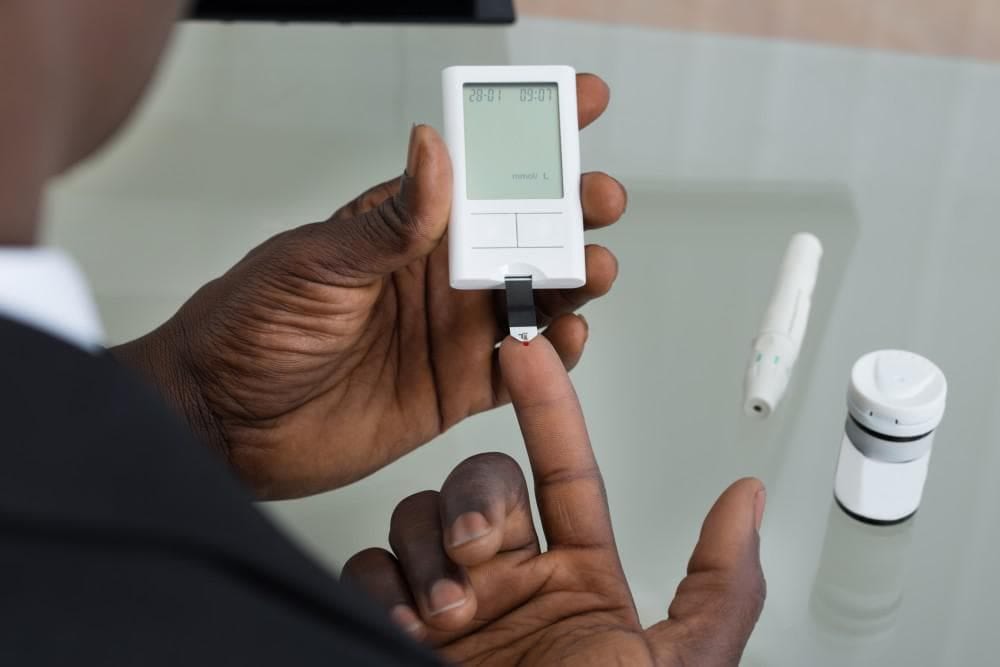
Diabetes disrupts how the body processes glucose, and one underappreciated complication is neuropathy — nerve damage caused by elevated blood sugar. Metro Pain Centers specializes in pain management and can help patients address neuropathy, especially when caught early.
Types of Diabetic Neuropathy
Peripheral Neuropathy
Affecting roughly half of all diabetics, peripheral neuropathy causes tingling and numbness in the extremities. Blood sugar control often reduces symptoms. Key self-care steps include:
- Daily foot checks for injury or infection
- Keeping toenails clean and trimmed
- Monitoring blood sugar consistently
Autonomic Neuropathy
More than 30% of diabetics develop autonomic neuropathy, which affects nerves controlling digestion, urination, and blood flow. Symptoms may include bloating, diarrhea or constipation, dizziness, bladder difficulties, and sexual dysfunction.
Focal Neuropathy
This type targets single nerves in the hands, legs, torso, or head. Carpal tunnel syndrome is a common manifestation, affecting about 25% of diabetics. Treatment may involve splinting or anti-inflammatory medication alongside blood sugar management.
Proximal Neuropathy
The rarest form, proximal neuropathy affects one side of the hip, thigh, and buttocks. It can cause intense pain, muscle weakness, and loss of reflexes. Symptoms may diminish over time but likely won't disappear completely.
How to Slow Progression
Controlling blood sugar is the primary defense against all forms of diabetic neuropathy. Additional lifestyle measures include:
- Quitting smoking
- Exercising regularly
- Losing excess weight
- Managing blood pressure and cholesterol
- Getting adequate sleep
- Minimizing stress
- Limiting alcohol consumption
Early intervention is key — consulting a pain specialist before symptoms worsen offers the best outcomes.