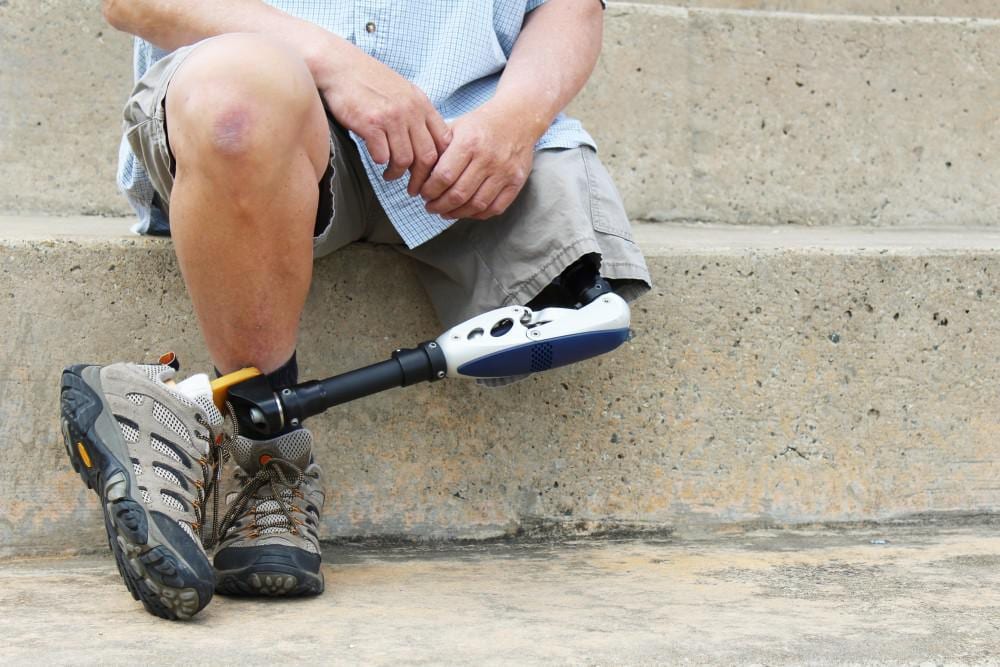
Between 80–85% of people who undergo amputation experience phantom limb pain: painful sensations that appear to originate from the removed limb. Symptoms can include throbbing, burning, squeezing, or sharp/dull pain. Most cases begin within the first few days post-amputation, though onset can sometimes occur months or years later.
While once dismissed as psychological, researchers now recognize genuine physiological mechanisms driving these sensations — and new treatments have followed.
What Causes Phantom Limb Pain?
Multiple mechanisms are likely involved:
Peripheral Nerve Injury
Trauma at the amputation site disrupts normal nerve signaling. Small lumps called neuromas form at severed nerve endings, sometimes triggering overactivity due to local chemical imbalances.
Spinal Cord Changes
The spinal cord can become over-sensitized after amputation. Disrupted signaling pathways lead to nerve restructuring and chemical imbalances, leaving the spinal cord effectively confused about pain signals from the missing limb.
Brain Reorganization
Each body region corresponds to a brain area. After amputation, that brain region goes inactive; neighboring areas may take over. Imaging studies show these formerly mapped brain regions become active when a patient perceives pain in the absent limb.
Psychological Factors
Depression, anxiety, and stress don't cause phantom pain, but they can worsen it. Chronic stress impairs pain management and may increase the risk of long-term pain syndromes.
Treatment Options
Because several factors contribute to phantom limb pain, treatment often involves multiple approaches:
- Medications: Antidepressants, muscle relaxants, and anticonvulsants may reduce or eliminate symptoms over time.
- Steroid Injections: Can help manage inflammation-related components.
- TENS Therapy: Transcutaneous electrical nerve stimulation uses adhesive patches to deliver mild electrical currents through the skin, interrupting abnormal pain signals.
- Spinal Cord Stimulation: Delivers similar electrical currents directly to spinal nerves.
- Nerve Blocks: Prevent pain signals from reaching the brain.
Metro Pain Centers offers individualized treatment plans for phantom limb pain across New York and New Jersey locations. Appointments can be booked online for evaluation and consultation.